What Is Exercise?
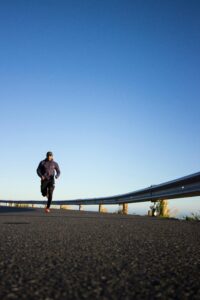
Exercise is any physical activity that gets your body moving, heart pumping, and muscles working. It can be structured (like a workout at the gym) or casual (like walking the dog).
Forms of exercise include:
-
Walking, jogging, or running
-
Swimming or cycling
-
Lifting weights
-
Dancing or aerobics
-
Yoga or stretching
-
Sports (football, tennis, basketball)
Why Is Exercise Important?
Exercise is not just about losing weight or looking fit — it’s about building a better life.
✅ Physical Benefits:
-
Strengthens the heart and lungs
-
Builds and maintains muscles
-
Increases flexibility and endurance
-
Boosts energy and stamina
-
Helps with weight control
-
Reduces the risk of diseases (diabetes, heart disease, cancer)
✅ Mental Benefits:
-
Reduces stress, anxiety, and depression
-
Boosts mood and self-confidence
-
Improves memory and brain function
-
Enhances sleep quality
✅ Long-Term Health Benefits:
-
Strengthens bones and joints
-
Improves immune system
-
Slows aging and increases lifespan
-
Prevents chronic illness
Types of Exercise
Understanding the different types of exercise helps you create a balanced fitness routine.
1. Aerobic Exercise (Cardio)
Goal: Improve heart and lung function.
Examples:
-
Walking
-
Jogging
-
Swimming
-
Cycling
-
Dancing
Benefits:
-
Burns calories
-
Strengthens the heart
-
Improves circulation and endurance
2. Strength Training (Resistance)
Goal: Build muscle and improve strength.
Examples:
-
Weight lifting
-
Bodyweight exercises (push-ups, squats)
-
Resistance band workouts
Benefits:
-
Increases metabolism
-
Supports bone density
-
Improves posture and balance
3. Flexibility Exercises
Goal: Increase range of motion and reduce muscle stiffness.
Examples:
-
Stretching
-
Yoga
-
Pilates
Benefits:
-
Prevents injury
-
Reduces tension
-
Improves posture
4. Balance and Coordination Exercises
Goal: Enhance body control and prevent falls.
Examples:
-
Tai Chi
-
Balance board exercises
-
Standing on one foot
Benefits:
-
Crucial for older adults
-
Improves sports performance
How Much Exercise Do You Need?
The World Health Organization (WHO) recommends:
-
Adults:
-
At least 150 minutes of moderate-intensity OR
-
75 minutes of vigorous-intensity aerobic activity per week
-
-
muscle-strengthening activities twice a week
-
-
-
Children (5–17 years):
-
At least 60 minutes of moderate to vigorous physical activity daily
-
How to Start Exercising (Beginner’s Plan)
Starting an exercise habit doesn’t require a gym membership or special equipment. Here’s a simple plan for beginners:
Week 1–2: Build the Habit
-
Walk for 15–20 minutes every day
-
Try beginner yoga or home stretching
-
Do light bodyweight exercises (e.g., 10 squats, 10 wall push-ups)
Week 3–4: Add Variety
-
Walk + jog intervals
-
Try resistance bands
-
Add 2 strength training sessions per week
Week 5+: Level Up
-
Join a fitness class or online workout
-
Increase workout time to 30–45 minutes
-
Start tracking your progress
At-Home Workouts (No Equipment Needed)
Here’s a quick full-body workout you can do at home:
🕒 20-Minute Bodyweight Workout:
| Exercise | Duration |
|---|---|
| Jumping Jacks | 1 min |
| Squats | 1 min |
| Push-ups (knee or full) | 1 min |
| Plank | 30 sec |
| High knees | 1 min |
| Lunges | 1 min (each leg) |
| Rest | 1 min |
Repeat 2–3 times depending on your level.
Best Exercises for Specific Goals
| Goal | Best Exercise Types |
|---|---|
| Lose weight | Cardio + strength training |
| Gain muscle | Weight lifting, protein-rich diet |
| Improve heart health | Walking, swimming, cycling |
| Reduce stress | Yoga, tai chi, walking in nature |
| Boost brain power | Cardio + new movement learning |
Exercise for Mental Health
Even a small amount of movement improves mental well-being. Just 30 minutes of brisk walking daily can reduce symptoms of:
-
Depression
-
Anxiety
-
ADHD
-
Stress and burnout
Exercise boosts brain chemicals like serotonin, dopamine, and endorphins, which help you feel happy and focused.
Common Barriers (and How to Overcome Them)
| Problem | Solution |
|---|---|
| “I don’t have time” | Break into 10-minute chunks |
| “I feel too tired” | Start slow — energy builds over time |
| “I don’t like the gym” | Exercise at home or outdoors |
| “I’m not motivated” | Set small goals, use apps, join a group |
Staying Motivated
-
Set SMART goals (Specific, Measurable, Achievable, Realistic, Time-bound)
-
Track progress (journal, apps, pictures)
-
Reward yourself for consistency
-
Workout with a friend
-
Mix up your routine to avoid boredom
What to Eat Before and After Exercise
Before Exercise:
-
Eat 1–2 hours before
-
Choose carbs + a little protein
-
Banana with peanut butter
-
Yogurt with fruit
-
Whole grain toast with eggs
-
After Exercise:
-
Eat within 30–60 minutes
-
Choose protein + carbs for recovery
-
Chicken with rice
-
Protein shake with fruit
-
Tuna sandwich on whole grain bread
-
Exercise Safety Tips
-
Warm up before and stretch after workouts
-
Drink plenty of water
-
Wear proper shoes and clothing
-
Listen to your body — don’t ignore pain
-
Start slow and progress gradually
Fun Ways to Stay Active
-
Dance in your room
-
Go hiking or walking with friends
-
Join a local sports team
-
Take a martial arts or boxing class
-
Use a fitness app or YouTube workout
-
Bike to work or school
Exercise for Different Age Groups
Children:
-
Playtime, sports, dancing
-
At least 1 hour daily
Teens:
-
Sports, gym workouts, bike rides
-
Mix cardio and strength
Adults:
-
Daily walking, gym, fitness classes
-
150 mins/week recommended
Seniors:
-
Walking, light yoga, water aerobics
-
Focus on balance, flexibility, and heart health
Quick Tips for Success
✅ Start with 10 minutes a day
✅ Focus on progress, not perfection
✅ Celebrate your wins
✅ Choose what you enjoy
✅ Be kind to yourself — every step counts!