10 of the best foods that naturally help lower blood pressure
High blood pressure, also known as hypertension, affects millions of people worldwide. The scary part? It often doesn’t come with any obvious symptoms. Many people live for years without realizing their blood pressure is high until it causes bigger problems like heart disease, kidney issues, or stroke.
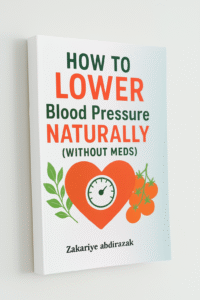
if you want to control your blood pressure by this book
https://zakariye7.gumroad.com/l/lowerbloodpressure
But here’s the good news: making simple lifestyle changes—especially in the foods you eat—can go a long way in controlling your blood pressure. In fact, experts say that diet plays a major role in keeping your blood vessels healthy and your heart strong.
Below, we’ll look at 10 of the best foods that naturally help lower blood pressure. The best part? They’re everyday foods you can easily add to your diet without spending a fortune.
1. Leafy Greens
Leafy greens such as spinach, kale, collard greens, and Swiss chard are some of the most powerful foods for controlling blood pressure. The reason is simple: they are loaded with potassium.
Potassium helps your body maintain a balance of sodium levels. Too much sodium (salt) in your diet can raise blood pressure, but potassium helps your body flush that extra sodium out through urine. That’s why doctors often tell people with high blood pressure to eat more potassium-rich foods.
You don’t have to eat salads all day to get the benefits. Try blending spinach into a smoothie, adding kale to soups, or cooking Swiss chard with a little garlic and olive oil for a tasty side dish.
2. Berries
Berries, especially blueberries, strawberries, and raspberries, aren’t just delicious—they’re full of powerful antioxidants called flavonoids. These compounds help keep blood vessels flexible and improve blood flow, which naturally lowers blood pressure over time.
One long-term study found that people who regularly ate berries had a reduced risk of developing hypertension. The best part? You can eat them fresh or frozen or even add them to oatmeal, yogurt, or smoothies.
3. Beets
While they may not be everyone’s preferred vegetable, beets truly excel in lowering blood pressure. Beets are rich in nitrates, which your body converts into nitric oxide. This compound helps widen blood vessels, making it easier for blood to flow.
In fact, some studies have indicated that drinking beetroot juice can lower blood pressure within just a few hours. That’s how powerful they are.
You can roast beets for a naturally sweet side dish, blend them into smoothies, or even drink fresh beet juice. If the earthy taste is too strong, mix it with apples or carrots for a sweeter flavor.
4. Bananas
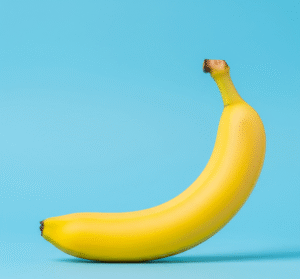
When it comes to potassium, bananas are one of the most convenient and affordable options. One medium banana contains about 400–450 mg of potassium, making it a simple way to support healthy blood pressure.
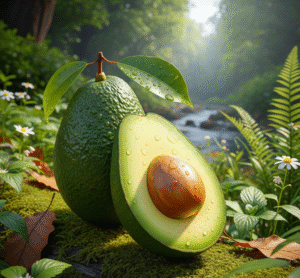
Bananas also make a quick snack, and they’re easy to add to cereal, oatmeal, or smoothies. If you’re not a fan of bananas, don’t worry—other potassium-rich foods include sweet potatoes, avocados, and beans.
5. Oats
If you’re looking for a heart-healthy breakfast, oats are an excellent choice. Oats are high in a type of fiber called beta-glucan, which has been linked to lower cholesterol and better blood pressure control.
Eating oatmeal regularly can help keep your arteries healthy and reduce strain on your heart. Plus, oats are incredibly versatile. You can enjoy them hot as oatmeal, cold as overnight oats, or even use them in healthy baked goods.
For extra benefits, top your oats with berries and nuts—two other blood pressure–friendly foods on this list.
6. Garlic
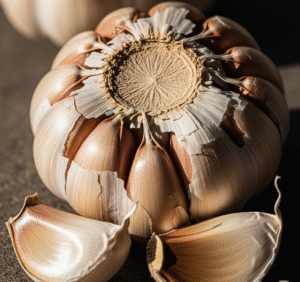
Garlic isn’t just a flavor booster—it’s also a natural medicine. For centuries, people have used garlic for its healing properties. Modern research shows that garlic contains compounds that relax blood vessels and improve blood flow, contributing to lowering blood pressure.
You don’t need to eat raw garlic cloves (unless you really want to). Adding fresh or cooked garlic to your meals regularly is enough to see benefits. Garlic supplements are also available, but it’s always best to talk to your doctor before trying those.
7. Fatty Fish
Fatty fish such as salmon, mackerel, trout, and sardines are rich in omega-3 fatty acids, which are incredibly beneficial for your heart. Omega-3s help reduce inflammation, improve blood vessel function, and lower levels of triglycerides (a type of fat in the blood).
Some studies also indicate that eating fish regularly can directly lower blood pressure. Aim for at least two servings of fatty fish per week. If fresh fish isn’t available, canned sardines or salmon are affordable and still provide the same benefits.
8. Nuts and Seeds
Nuts and seeds are packed with heart-friendly nutrients like magnesium, potassium, and healthy fats. All of these play a role in keeping blood pressure under control.
Almonds, walnuts, chia seeds, and flaxseeds are some of the best options. Walnuts, for example, are high in omega-3 fatty acids, while flaxseeds contain compounds called lignans that may improve blood vessel health.
The key is moderation. Nuts and seeds are calorie-dense, so a small handful is enough for a snack. Try sprinkling chia or flaxseeds on your oatmeal or yogurt, or adding walnuts to a salad.
9. Low-Fat Yogurt
Dairy products, especially low-fat yogurt, are excellent sources of calcium. Calcium is important for blood pressure regulation because it helps blood vessels tighten and relax properly.
Research has shown that people who eat more low-fat dairy products often have lower blood pressure compared to those who don’t. Yogurt also contains probiotics, which may have additional heart benefits.
10. Dark Chocolate
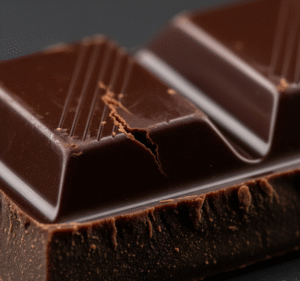
Indeed, chocolate can positively impact your heart health! However, the health benefits are specifically associated with dark chocolate that contains at least 70% cocoa.
Dark chocolate is rich in flavonoids, the same antioxidants found in berries. These compounds improve blood vessel function and can help reduce blood pressure when eaten in moderation.
Final Tips for Managing Blood Pressure
Eating these 10 foods is a great way to start lowering your blood pressure naturally. But remember, food is just one part of the picture. To truly protect your heart, it is also important to consider the following actions:
- Limit salt intake—too much sodium is one of the biggest causes of high blood pressure.
- Stay active—regular exercise helps keep your blood vessels healthy.
- Maintain a healthy weight—even losing a small amount of weight can lower blood pressure.
- Manage stress—Stress hormones can temporarily raise blood pressure, so relaxation is important.
- Stay hydrated—drinking enough water supports overall heart health.