What Is Nutrition?
Nutrition is the science of how food affects the body. It includes the intake of:
- Macronutrients (carbohydrates, proteins, fats)
- Micronutrients (vitamins, minerals)
- Water
- Fiber
Good nutrition means getting the right amount of nutrients for energy, growth, and bodily functions.
2. Major Nutrients and Their Functions
A. Carbohydrates
- Function: Primary energy source
- Found in: Rice, bread, fruits, and vegetables
- Tip: Choose complex carbs like whole grains over simple sugars
B. Proteins
- Function: Builds and repairs tissues, muscles, and enzymes
- Sources: Eggs, chicken, beans, nuts, fish
- Tip: Include plant and animal protein for variety
C. Fats
- Function: Energy storage, hormone production, brain health
- Healthy fats: Avocado, olive oil, nuts, seeds
- Unhealthy fats: Trans fats, processed oils, fried foods
D. Vitamins
- Function: Support immunity, energy production, and skin health
- Examples:
- Vitamin A (vision) – Carrots, spinach
- Vitamin C (immune) – Citrus fruits
- Vitamin D (bones) – Sunlight, fortified milk
E. Minerals
- Function: Bone health, muscle function, hydration
- Examples:
- Calcium – Dairy, tofu
- Iron – Meat, leafy greens
- Magnesium – Nuts, whole grains
F. Water
- Function: Hydration, digestion, temperature control
- Tip: Aim for 8–10 glasses per day, more if active
G. Fiber
- Function: Aids digestion, prevents constipation, lowers cholesterol
- Sources: Fruits, vegetables, whole grains, legumes
3. Types of Diets and Eating Styles
A. Balanced Diet
- Includes all food groups in proper portions
- Focus on variety and moderation
B. Plant-Based Diet
- Rich in fruits, vegetables, legumes, and whole grains
- Reduces the risk of heart disease and diabetes
C. Keto Diet
- High fat, low carb
- Aimed at rapid fat loss, but needs careful monitoring
D. Mediterranean Diet
- Focus on olive oil, vegetables, fish, and whole grains
- Proven to support heart health
E. Paleo Diet
- Avoids processed food, dairy, and grains
- Emphasizes natural, whole foods
F. Intermittent Fasting
- Eating only during specific hours (e.g., 16:8 method)
- May support weight loss and insulin sensitivity
4. Healthy Eating Habits
- Eat a variety of foods
- Control portion sizes
- Limit added sugar and salt
- Eat slowly and mindfully
- Don’t skip breakfast
- Drink enough water daily
- Limit ultra-processed foods
5. Superfoods You Should Know
These foods are nutrient-rich and support overall health:
FoodBenefits
Blueberries Antioxidants, brain health
Avocado: Healthy fats, fiber
Salmon Omega-3, protein
Spinach Iron, calcium
Greek Yogurt Probiotics, protein
Sweet Potatoes Fiber, beta-carotene
Nuts Heart health, energy
Quinoa Protein, a gluten-free grain
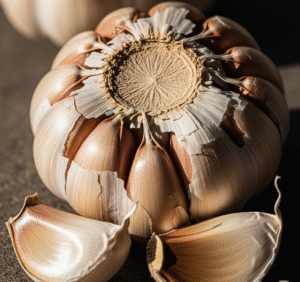
Garlic Immune Support
Turmeric Anti-inflammatory
6. Common Nutrition Myths
- Myth: Carbs make you fat
- Truth: Healthy carbs in moderation are essential
- Myth: All fat is bad
- Truth: Healthy fats are good for the brain and heart
- Myth: Supplements can replace food
- Truth: Real food is always the best source of nutrients
- Myth: You must eat meat for protein
- Truth: Many plant-based sources, like lentils, tofu, and beans, are rich in protein
7. Nutrition for Different Life Stages
Children
- Need extra calcium and iron for growth
- Avoid too much sugar and processed snacks
Teenagers
- High protein needs due to puberty
- Encourage balanced meals and hydration
Adults
- Focus on maintaining energy and weight
- Include exercise and hydration
Seniors
- Prioritize bone health (calcium, vitamin D)
- Fiber and hydration to support digestion
8. Tips for Reading Nutrition Labels
- Check the serving size first
- Look at calories per serving
- Watch for added sugars
- Compare total fats vs. saturated/trans fats
- Understand % Daily Value (DV)
9. Meal Planning Ideas (Per Day)
Breakfast
- Oatmeal with banana + chia seeds
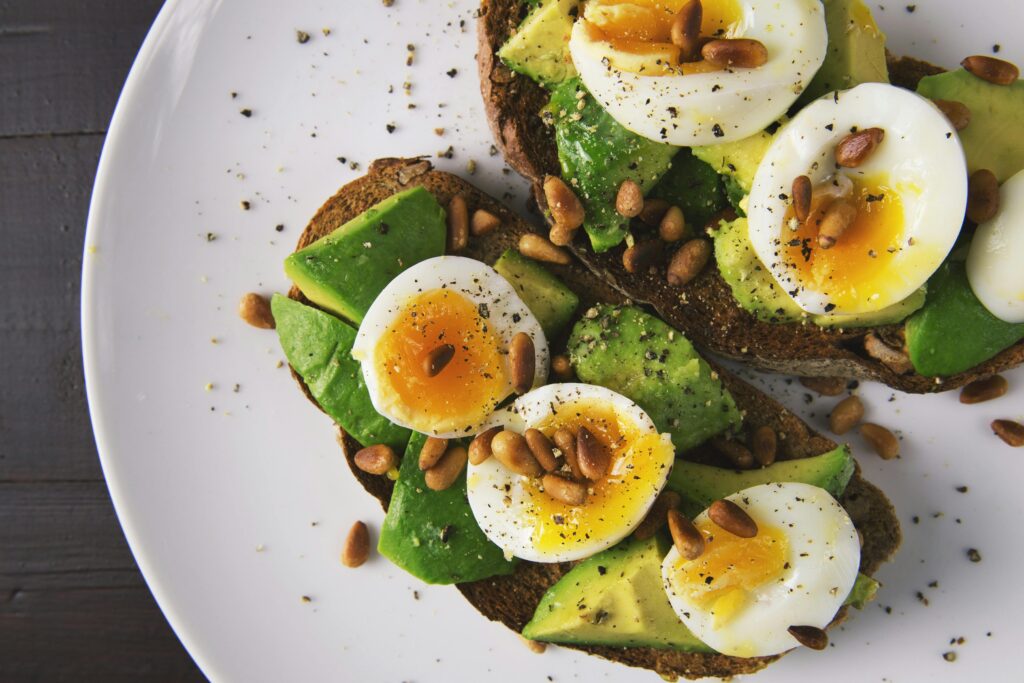
- Boiled egg + whole-grain toast + avocado
Lunch
- Grilled chicken salad + olive oil dressing
- Brown rice + lentils + steamed veggies
Snack
- Greek yogurt with berries
- A handful of almonds
Dinner
- Baked salmon + quinoa + spinach
- Stir-fried tofu + veggies + brown rice
10. Simple Nutrition Goals to Follow Weekly
DayGoal
Monday Meatless meals
Tuesday: Drink 2 L of water
Wednesday: Add a new vegetable
Thursday: Avoid sugary drinks
Friday Cook at home
Saturday, eat with family
Sunday Prep meals for next week
11. Signs of Poor Nutrition
- Fatigue
- Frequent illness
- Dry skin or brittle nails
- Mood swings
- Poor concentration
- Digestive issues
12. How to Improve Your Nutrition
- Start small with one meal
- Swap soda for water
- Add one fruit or veggie to each meal
- Prep meals at home
- Limit fast food to once a week or less
- Use a food diary to track progress